
Tailored to every sector —
an engineered solution.
From grid operators to data centers — six main places where REAP energy storage is used. A setup tuned for each one. (BESS means a battery energy storage system — a system that stores energy so it can be used later.)
What Energy Storage
Can Do for You.
REAP energy storage is used in three main ways — supporting the grid, trading energy and powering electric vehicles. Many different jobs, all from one modular system.
Keeps the power network steady and running efficiently.
- Frequency Regulation Helps keep the electricity grid stable
- Peak Shaving Reduces the load on the grid during the busiest hours
- Load Balancing & Shifting Spreads energy use more evenly across the day
- Renewable Integration Stores energy from solar and wind and smooths it out
- Demand Response Eases pressure on the grid when it is overloaded
- Black Start Helps restart power after an outage, with no outside grid
Turns stored energy into value by buying and selling on the electricity market.
- Arbitrage (Time-of-Use) Store energy when it is cheap, use or sell it when prices are high
- Bill Management Helps lower energy costs and peak-power fees
- PPA Supports a power purchase agreement (PPA) — a long-term deal to buy energy
Powers EV charging and vehicles with batteries that go easy on the grid.
- Charging Stations Supports fast charging without needing a grid upgrade
- Battery Packs Fixed battery packs for vehicle fleets and depots
- E-Mobility Batteries for forklifts and AGVs (automated guided vehicles)
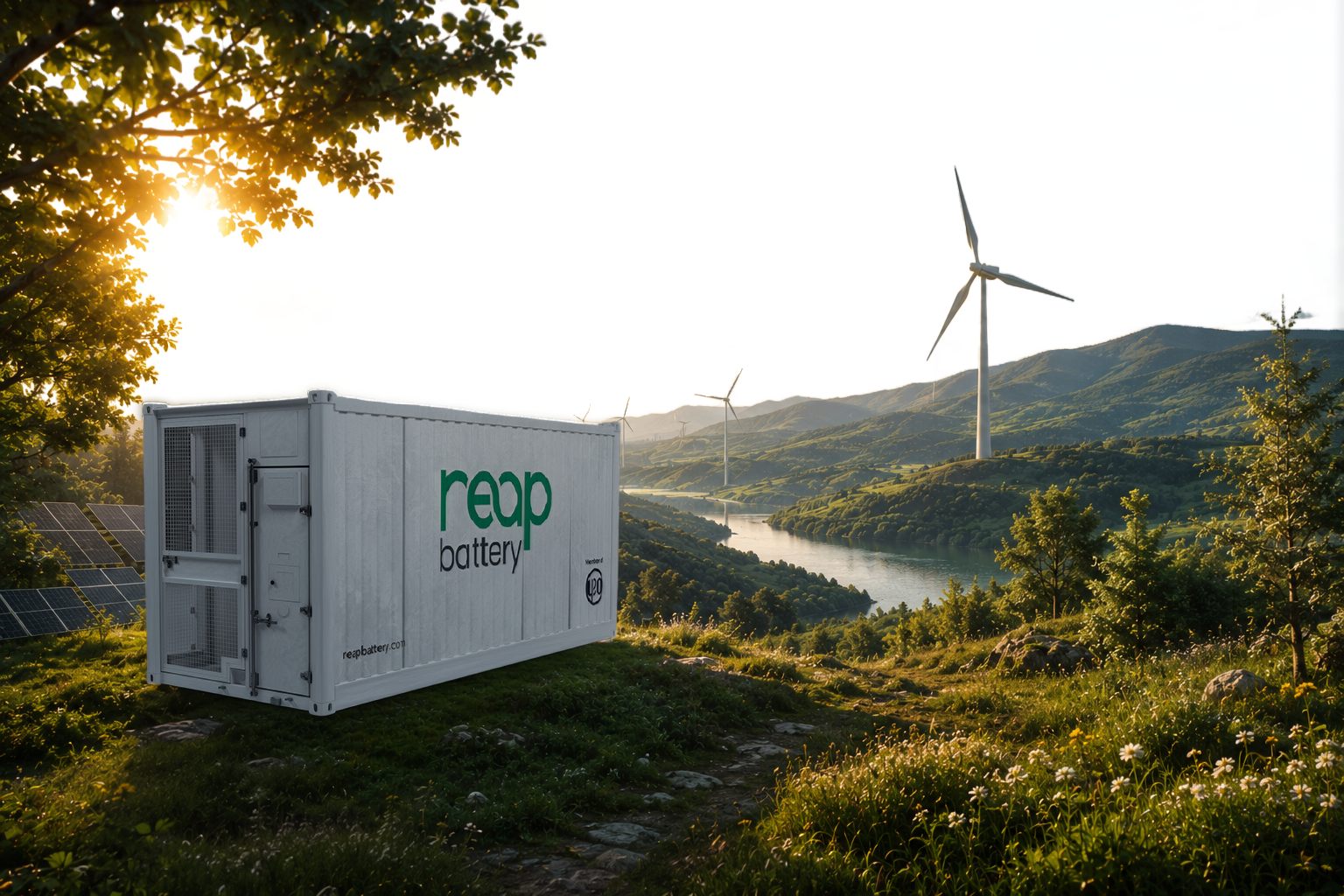
Grid Stability
Helps grid operators keep the electricity grid stable and ease the load during the busiest hours.
- Frequency regulation — helps keep the grid stable
- Peak shaving and load balancing — eases the busiest hours and spreads use evenly
- Black start — helps restart power after an outage
- Containerized utility-scale configuration
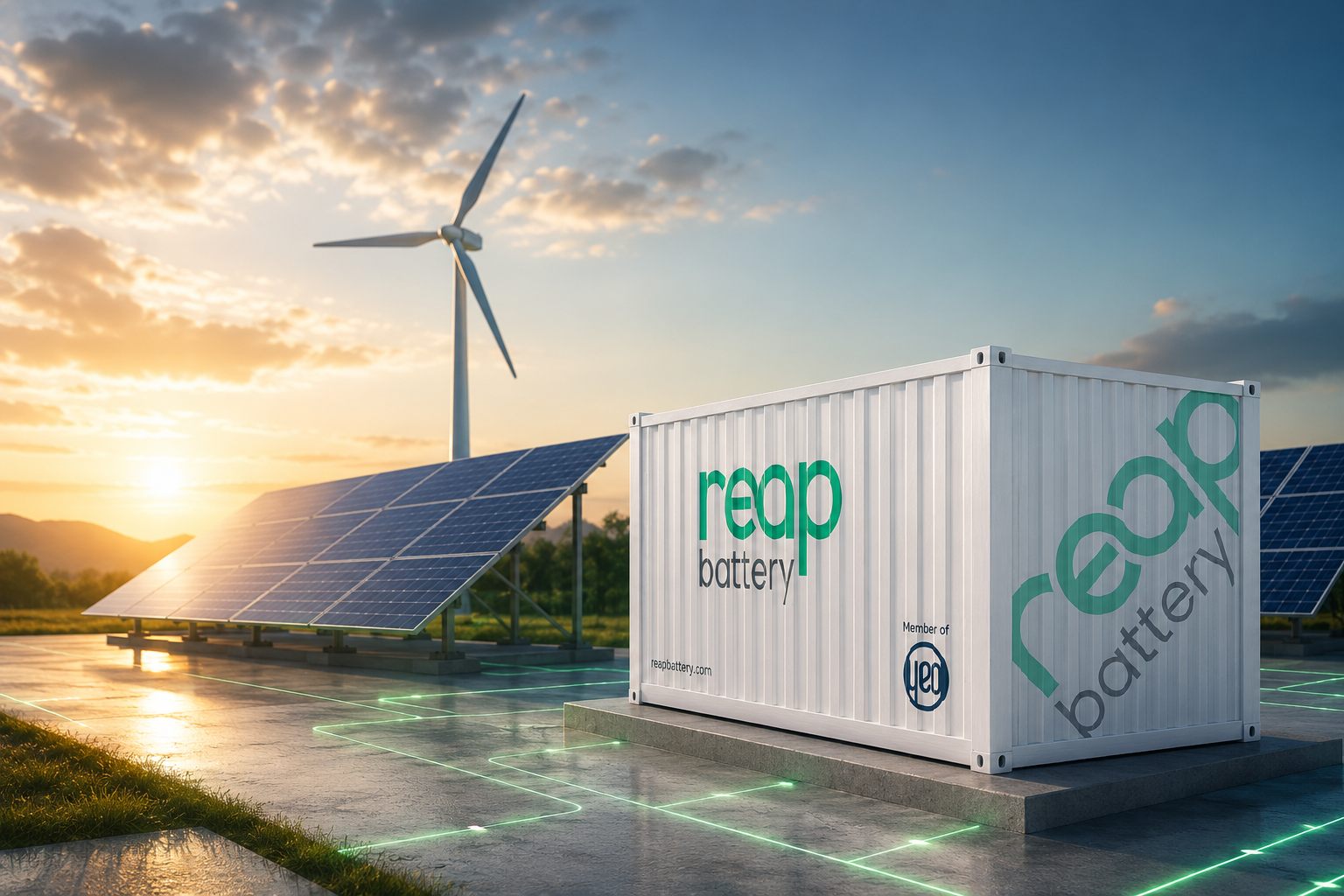
Renewable Integration
Smooths out the ups and downs of solar and wind plants, and saves daytime energy for later.
- Power smoothing — cloud cover/wind drop compensation
- Time-shifting — daytime generation discharged at night
- Renewable integration for solar and wind plants
- AC + DC coupling flexibility
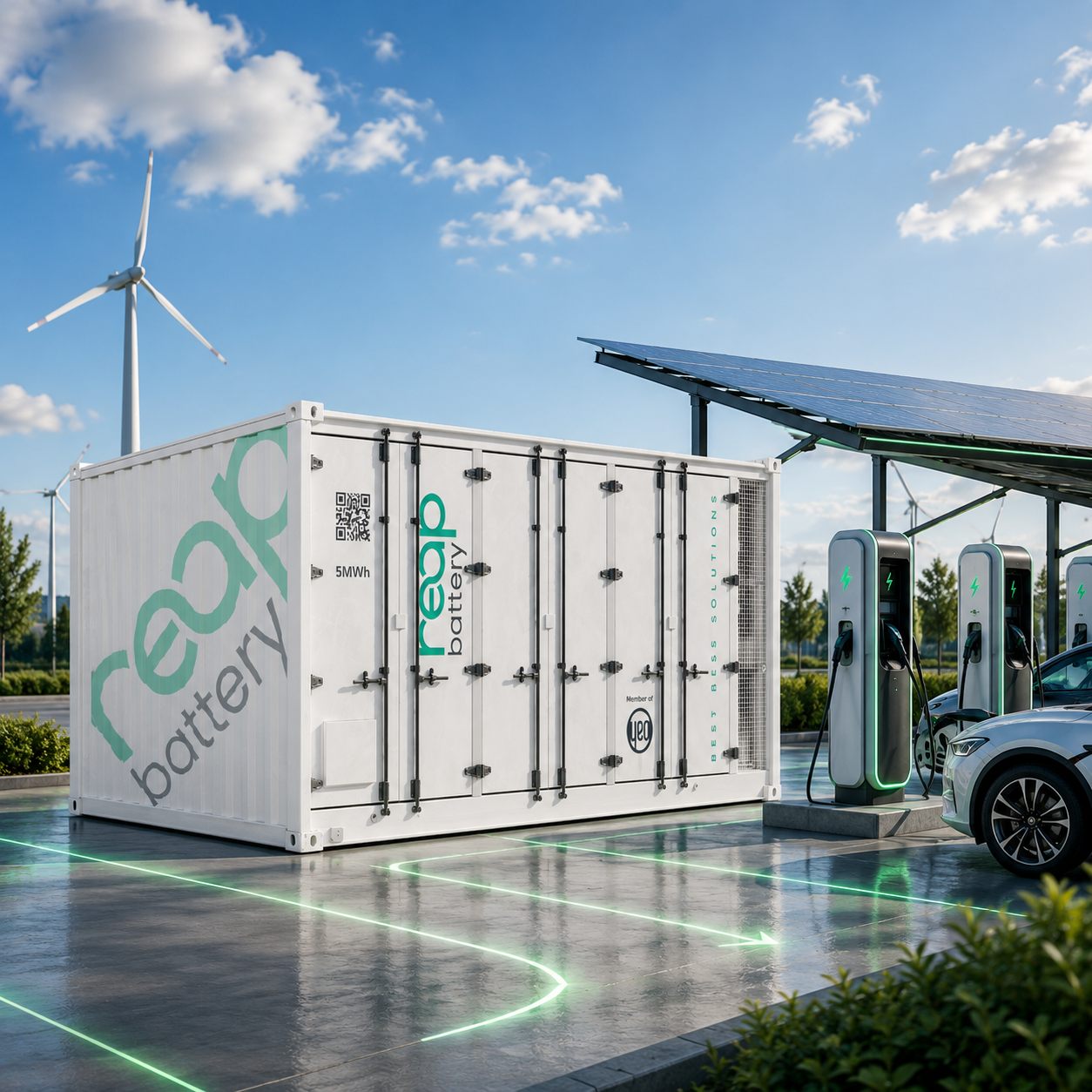
EV Charging Hubs
Balances power demand at fast charging hubs, so you can avoid costly grid upgrades.
- DC fast charge buffering
- Demand spike absorbing → grid upgrade unnecessary
- Solar-coupled DC microgrid topology
- Dynamic load balancing for multiple chargers

Industrial Facilities
Lowers peak-power fees, stores on-site solar energy and keeps factories running without interruption.
- Demand charge management — lowers peak-power fees and energy bills
- Self-consumption optimization solar+BESS
- Backup power for critical loads
- Outdoor IP55 cabinet, optimum footprint
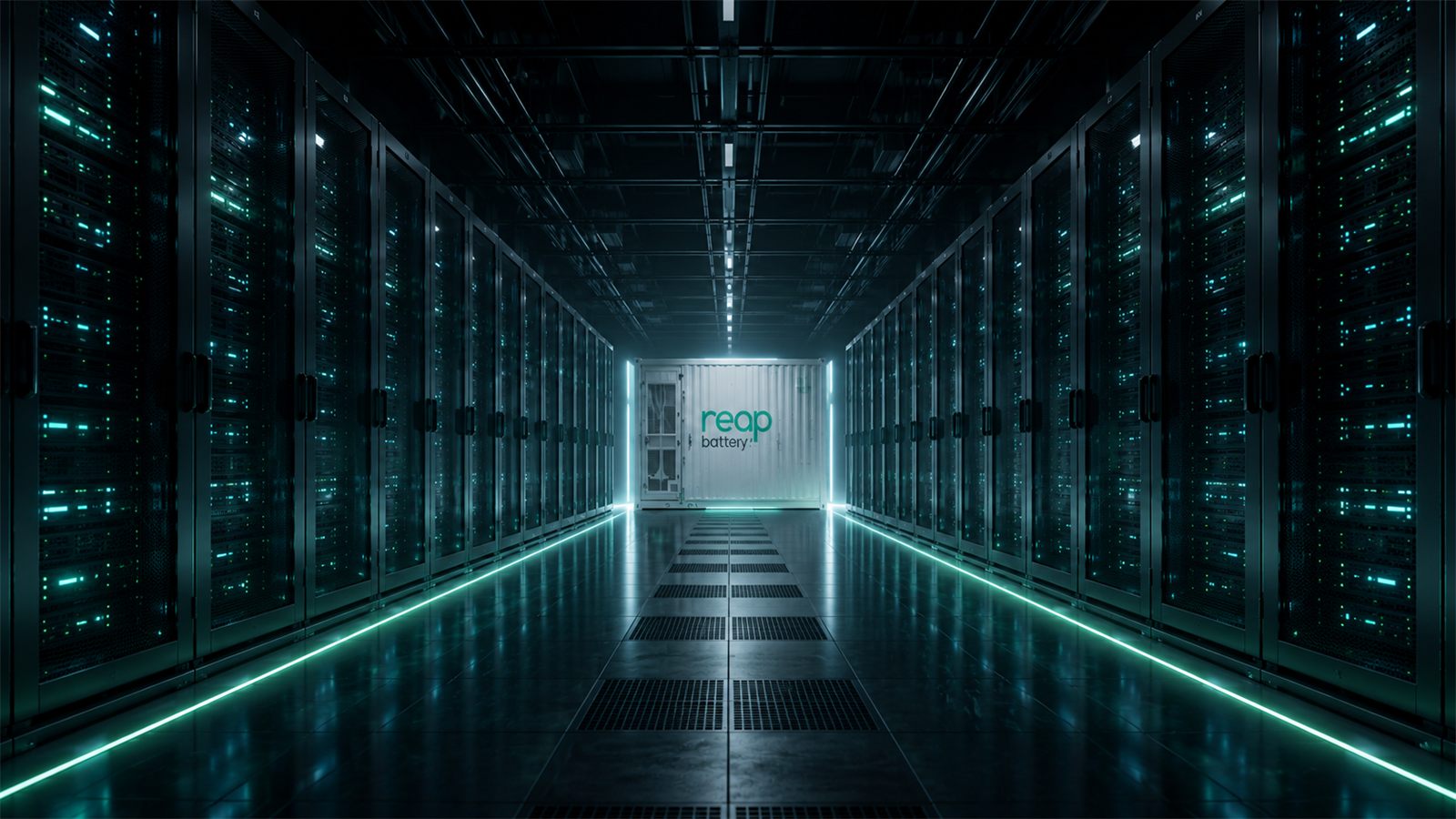
Data Center Backup
A quiet, emission-free battery backup for critical sites — an alternative to diesel backup power (UPS).
- Backup power for critical IT loads
- Diesel UPS replacement
- Silent operation + zero local emissions
- LFP cell chemistry with integrated BMS
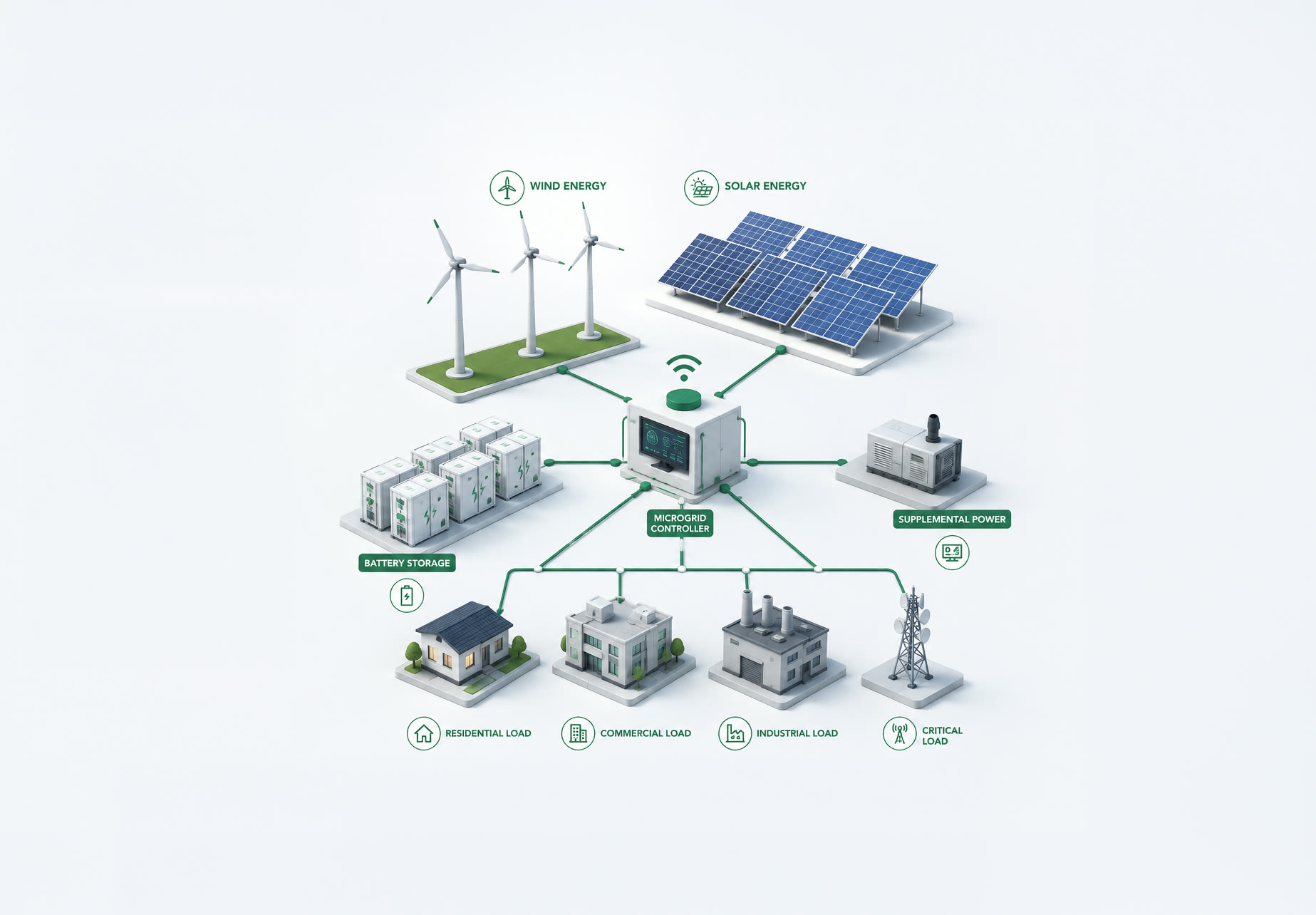
Microgrids
Reliable power for islands and remote areas, combining solar, wind, batteries and diesel.
- Grid-tied / Island mode automatic switching
- Black-start capacity (BESS-led)
- Solar + Wind + BESS + Diesel hybrid
- Off-grid and remote area energy supply